Most people cringe at labels like “too sensitive” or “sensitive personality.” We’re often told that being sensitive means we’re weak, vulnerable, and somehow flawed.
But what if that’s far from the truth? What if being a highly sensitive person is actually your superpower? If you’ve ever felt out of place because of your heightened sensitivity or have been told that you need to “toughen up,” keep reading. Your perception of what it means to be a highly sensitive person is about to get a makeover.
You’ll learn:
- What exactly a Highly Sensitive Person (HSP) is
- 5 hidden strengths of HSPs
- Whether it’s bad to be an HSP
- My own journey of discovery
- 11 signs of being an HSP
You can watch the video or read on for the main points.
(This post contains affiliate links, which means—at zero cost to you—I will earn a small commission if you click through and make a purchase. Thank you for your support!)
What Exactly is a Highly Sensitive Person (HSP)?
An individual identified as a highly sensitive person (HSP) exhibits a characteristic known as Sensory Processing Sensitivity. It’s important to note that this isn’t the same as having a sensory processing disorder. Rather, it’s an innate trait that appears in roughly one-fifth of the population, irrespective of gender.
While it’s not something that can be clinically diagnosed like medical disorders, brain scans do show unique neural pathways in those who possess this trait.
Practically speaking, HSPs deeply process physical, social, and emotional stimuli. They exhibit heightened levels of empathy, creativity, and sensory intelligence. These stronger brain activations are not just limited to negative experiences; positive emotions are also intensely felt. However, the cost of such sensitivity is sensory overload—imagine an overloaded circuit board that can’t handle too much information all at once.
Is HSP a Result of Trauma or a Form of Neurodiversity?
No. Being a highly sensitive person is not a result of trauma, nor is it classified as a mental disorder. It is an innate trait that has both evolutionary advantages and challenges. However, HSPs might be more prone to anxiety and emotional reactivity due to environmental factors or social stimuli. They may be more affected by strong smells and environmental stimuli, making sensory input quite intense at times.
So, is it a form of neurodiversity? The jury is still out on that one. While it’s not classified as a form of neurodiversity like attention deficit hyperactivity disorder (ADHD) or autism spectrum disorders, it does highlight the spectrum of sensory sensitivity that exists in the human population.
5 Hidden Strengths of Being an HSP
Being a highly sensitive person comes with its own set of challenges, but it also offers unique strengths and advantages. Let’s delve into some of the secret superpowers of highly sensitive people:
1. Empathy: A Cornerstone for HSPs
One of the most significant traits of a highly sensitive person is their extraordinary level of empathy. Empathy isn’t just about feeling bad for someone; it’s about understanding, sharing, and connecting on an emotional plane that goes beyond superficial interactions. For HSPs, this isn’t an acquired skill but a natural propensity.
Emotional Intelligence
For highly sensitive people, emotional intelligence often goes hand-in-hand with empathy. HSPs not only understand their own emotions but can also quickly tune into the emotions of others. This skill makes them natural mediators, counselors, or even the “go-to” friend for people facing emotional turmoil.
Interpersonal Relationships
The empathy exhibited by HSPs has a profound impact on interpersonal relationships. Whether in romantic relationships, friendships, or family ties, an HSP’s empathic nature tends to make them trusted and cherished companions. They have an uncanny ability to “be there” for people in a way that goes beyond mere presence.
Communication Skills
Empathy also plays a crucial role in enhancing communication skills. For a highly sensitive person, understanding the non-verbal cues, tone, and even the unspoken feelings of another person is often second nature. This allows HSPs to tailor their communication style to be most effective and compassionate, avoiding misunderstandings and fostering meaningful dialogues.
Career Implications
Empathy isn’t just beneficial in personal relationships; it also has career implications. Many highly sensitive people find themselves drawn to roles in counseling, healthcare, social work, or any field where understanding and caring for others is essential. Their high levels of empathy make them invaluable in settings that require a nuanced and human touch.
Empathy and Mental Health
While being empathic has its advantages, it can also pose challenges, especially to a highly sensitive person’s mental health. The emotional burden of deeply feeling the troubles of others can sometimes lead to overwhelm or burnout. However, with the right coping strategies, an HSP can learn to balance their emotional output without sacrificing their innate empathy.
2. Creativity: The Underrated Superpower of HSPs
Being a highly sensitive person often goes hand-in-hand with a vibrant creative streak. This isn’t merely a happy coincidence; the two are intrinsically connected in ways that provide HSPs with unique perspectives and problem-solving abilities. Here’s a closer look at how creativity manifests in the life of an HSP.

Imagination Knows No Bounds
For many highly sensitive people, imagination is like a second home. The world inside their head is often just as real and vivid as the external one. This enables them to conjure new concepts, ideas, and perspectives that others might overlook, making them particularly gifted in creative disciplines like art, literature, and even scientific innovation.
Emotional Depth as a Creative Catalyst
The emotional awareness that HSPs possess isn’t just good for empathy; it’s also a wellspring for creativity. Whether they’re crafting a poignant piece of fiction or developing a new product that solves an emotional need, their keen understanding of human emotions can serve as a foundational element of their creative process.
Problem-Solving Abilities
Being highly sensitive often means you’re attuned to intricacies and details that others might overlook. This heightened awareness is a fantastic tool for problem-solving, especially in roles requiring strategic planning or innovative thinking. Entrepreneurship, for example, is a field in which HSPs can shine by finding new solutions to old problems.
Artistic Expression
Many HSPs find solace in artistic pursuits. Whether it’s painting, writing, or music, the act of creating something from nothing provides an emotional outlet that’s both therapeutic and fulfilling. For a highly sensitive person, art can serve as a language when words fail to convey the depth of their emotions.
The Double-Edged Sword of Sensitivity and Creativity
While the creative strengths of an HSP are noteworthy, it’s essential to remember that this heightened sensitivity can sometimes lead to overstimulation or stress, especially in a world that often doesn’t cater to more sensitive souls. However, with appropriate self-care and emotional management, an HSP can nurture their creativity without being overwhelmed.
3. Sensory Intelligence: The Sixth Sense of A Sensitive Brain
The sensory intelligence of the highly sensitive person taps into an almost sixth sense—a heightened awareness of their environment that offers both unique advantages and challenges. Here’s a closer look at the facets of this extraordinary trait.

A Whole New World of Textures and Colors
For an HSP, everyday materials aren’t just things you touch or see; they’re experiences. The smooth grain of a wooden table or the vibrant hues of a sunset can evoke feelings of pleasure and awe, enriching their everyday lives in ways most people can’t even fathom.
The Olfactory Adventure
Highly sensitive people are often incredibly attuned to smells. Whether it’s the first whiff of morning coffee or the lingering scent of a loved one’s perfume, these smells are more than just odors; they can act as powerful memory triggers or mood boosters.
The Symphony of Sound
Sounds, too, have a more profound impact on HSPs. From the rustling of leaves on a windy day to the subtle nuances in a piece of music, they perceive these auditory stimuli in a much more intricate and nuanced manner. This keen sense of hearing can enhance their appreciation for auditory arts like music or spoken-word performances.
The Flavors of Life
It’s not uncommon for a highly sensitive person to be more discerning about their food choices. They might find themselves noticing the individual spices in a dish or the distinct textures that combine to make a culinary masterpiece. This ability transforms the act of eating from a mundane task into an exhilarating journey of flavors.
Emotional and Physical Resonance
This heightened sensory intelligence often goes beyond just external stimuli. HSPs may find that certain textures or sounds resonate with them emotionally, even physically. For instance, the softness of a favorite blanket could offer unparalleled comfort during stressful times, or a particular song could elicit a visceral emotional response.
Managing Sensory Overload
Sensory intelligence can sometimes be a double-edged sword for HSPs. Exposure to overpowering smells, loud noises, or bright lights can quickly become overwhelming. However, with self-awareness and a few coping strategies, HSPs can better manage these sensory experiences to their advantage.
4. Depth of Processing: The Mental Gymnastics of an HSP
For a highly sensitive person, thinking isn’t just a mental action—it’s more like an expedition. The HSP brain works in intricate ways, taking in multitudes of information and mulling it over at length. Below, we delve into how depth of processing sets HSPs apart in multiple spheres of life.
Analytical Skills: A Cut Above the Rest
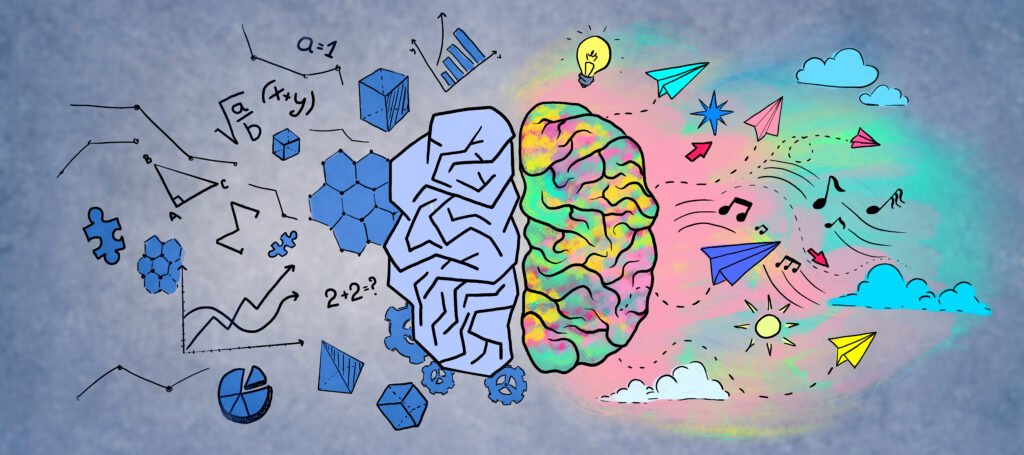
One of the first things you’ll notice about a highly sensitive person is their unparalleled analytical ability. They can take a situation or a set of data and dissect it into its individual components, allowing them to understand the intricacies and nuances at play. This is more than just a skill; it’s almost an instinctive response to the world around them.
Emotional Complexity: Not Just Surface-Level
HSPs aren’t just analytical in the logical sense; they also tend to process emotions with incredible depth. They often ruminate on feelings, trying to understand their emotional triggers and reactions. This makes them exceptionally empathic, as we mentioned earlier, but also lends to them a kind of emotional intelligence that is quite rare.
Problem-Solving Prowess
Give a highly sensitive person a problem, and they won’t just look for a solution—they’ll look for the best solution. They’ll weigh the pros and cons, consider alternative approaches, and even ponder the ethical dimensions. Depth of processing means that they’re inclined to evaluate issues from every possible angle.
Moral and Ethical Sensibility
The concept of “right” and “wrong” often goes deeper for an HSP. Due to their depth of processing, they’re more likely to contemplate the moral and ethical aspects of a decision, rather than just the practical implications. This characteristic can make them highly conscientious individuals, mindful of their impact on the world.
The Tug-of-War with Overthinking
While depth of processing offers many advantages, it can also be a challenge for a highly sensitive person. Overthinking or becoming mired in details can sometimes be debilitating. However, with some mindfulness techniques, HSPs can train themselves to harness this trait effectively.
5. Emotional Reactivity: Depth of Emotion
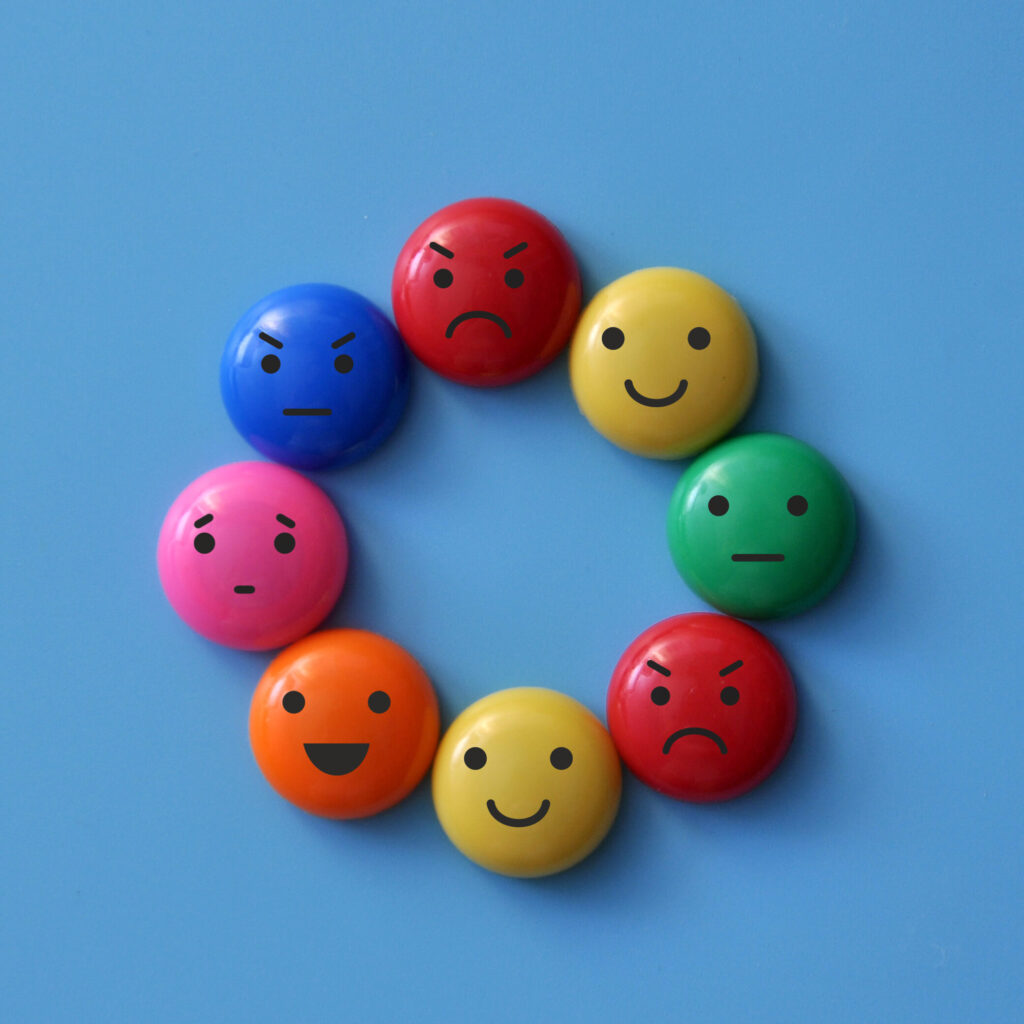
Emotional reactivity isn’t just a footnote for highly sensitive people—it’s a headline. From the euphoria of a job well done to the sorrow of a movie’s sad ending, HSPs are built to feel more intensely than others. Below, let’s unpack the various facets of heightened emotional reactivity and how it enriches the life of a highly sensitive person.
More Than Just Feelings: An Emotional Palette
When it comes to emotions, a highly sensitive person isn’t limited to the basic shades of happy, sad, or angry. Their emotional range is broad, allowing them to experience complex emotions like awe, humility, and exhilaration. Think of their emotional repertoire as a full painter’s palette, rich in hues and shades that offer a more nuanced view of life.
The Depth of Positive Emotions: An Ocean, Not a Puddle
For HSPs, positive emotions like joy, love, and gratitude are not superficial or fleeting—they are deep and consuming. This capacity to feel positive emotions so intensely often acts as a natural buffer against life’s challenges, helping them rebound from setbacks more effectively.
Emotional Resonance: Amplifying Shared Feelings
HSPs are like emotional tuning forks; when they’re around others who are experiencing strong feelings, they pick up on that emotional frequency and resonate with it. This makes them extraordinarily empathic, enabling deeper connections with friends, family, and even strangers.
The Double-Edged Sword: Sensitivity to Negative Emotions
While a highly sensitive person’s heightened emotional reactivity can be a source of incredible richness, it can also make them more susceptible to negative feelings. Even minor annoyances or criticisms can reverberate deeply, which is why self-care and emotional management are crucial skills for HSPs.
Emotional Creativity: The Silver Lining
One often overlooked aspect of heightened emotional reactivity is how it fuels creativity. HSPs can draw on their intense emotional experiences as a wellspring for artistic expression, whether that’s through writing, painting, music, or other creative pursuits.
Is it Bad to be an HSP?
While being a highly sensitive person may seem overwhelming at times, especially when you’re absorbing emotional baggage from others or struggling with sensory overload, it’s not a “bad” thing. It’s a unique way of interacting with the world that comes with its own set of pros and cons.
Acknowledging and embracing your sensitivity can actually be empowering. When managed well, it can become one of your greatest assets.
The Journey of Discovering My Own HSP Trait
I spent years unaware that I was an HSP. Once I discovered what it meant, it was like turning on a light in a dark room. I understood why social gatherings could be so draining, why I had stronger reactions to emotional stimuli, and why my creativity often felt like a double-edged sword.
So, how do you know if you’re an HSP? While there’s a comprehensive self-assessment available, understanding your reaction to sensory input, emotional sensitivity, and social stimuli can already give you an idea.
Remember, it’s not a defect—it’s a different way of experiencing the world.
11 Signs You Might Be a Highly Sensitive Person
If you’re wondering whether you might be an HSP, consider the following signs:
- Overwhelmed by busy environments Loud noises, bright lights, or crowds can lead to sensory overload.
- Strong reactions to smells and tastes You might find certain smells overpowering or certain foods too strong.
- Deep emotional responses Whether it’s a sad movie or a touching story, you feel things deeply.
- High levels of empathy You easily pick up on the emotions of those around you.
- Need for alone time After socializing, even if enjoyable, you feel the need to recharge alone.
- Detail-oriented You notice small details that others might overlook.
- Avoidance of violent media You can’t stand violent movies or shows with distressing themes.
- Strong sense of justice Unfairness or mistreatment of others affects you deeply.
- Easily startled You have a quick startle reflex, whether it’s from loud noises or sudden movement.
- Deep inner life You have a rich, complex inner world that you often reflect on.
- Vivid dreams Your dream life is more vivid and emotionally charged than that of the average person.
If you resonate with most of these signs, chances are you’re a highly sensitive person. I invite you to check out my weekly newsletter, which focuses on business and lifestyle strategies for the creative and the “secretly sensitive.” Please feel free to share this post with other sensitive souls.
Recommended Reading: